Common Questions
What Is Wheatgrass And More
Wheatgrass is singularly life sustaining food as shown by the large, powerful animals that live only on grasses. Wheatgrass juice is the living nutrition of wheatgrass separated from the indigestible fiber. It is full of enzymes, amino acids, colloidal minerals and living organic nutrition. We give you quality which means field grown grasses, beyond organic standards and unpasteurized juice. You get clean, tasty, unadulterated juice capable of helping you look and feel your very best.




Benefits Start Immediately
Your body creates 25 million new cells every day. That’s a grand total of 9,125,000,000 brand new cells each year. These 9 billion cells are created only from what you eat, breathe and drink. What you do today will affect you tomorrow. Wheatgrass juice is amazing food that helps you obtain, maintain and sustain a vibrant life! Imagine the positive impact you can make in a day, a week, a month or a year! When you order before 12 noon EST, you can receive it overnight and the shipping is even free.
Watch Us Make Juice
Just 1:53 To See All The Action
Old world farming and high tech washing, packaging and freezing.
It Must Be Field Grown
Wheatgrass needs to grow in open fields where natural queues tell it to do things like release phyto-nutrients. It simply does not grow properly in the greenhouse. A better plant makes better wheatgrass juice and here are our advantages:
- 6 x deeper root system
- 10 x longer growth cycle
- Up To 50% higher nutrient levels
- Zero simple sugars because they convert into other nutrients
- Absolutely no wheatgrass mold problems
What You Want
Quality Is About The Details

Field Grown
This produces better wheatgrass. Six times deeper root system, ten times longer growth cycle, zero simple sugars, higher phytonutrient levels, no detectable molds, and remarkably better taste.
more
It Must Be Juice
Our digestive system is not powerful enough to extract grass nutrition from the fibre. Juicing expresses the nutrition from the plant fibres which makes it 100% bioavailable and extremely easy to absorb.
more

Unpasteurized
Our juice is potent because it is unpasteurized and kept raw & living through flash freezing. We also use an atmosphere free closed system which means no oxidation and no biological aging.
more
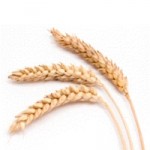
Made From Wheat
Wheatgrass products should be made of wheat. DynamicGreens Wheatgrass Juice is always 100% pure wheatgrass juice. No substitutes, fillers or sweeteners.
more
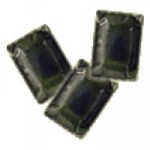
Quick & Easy Use
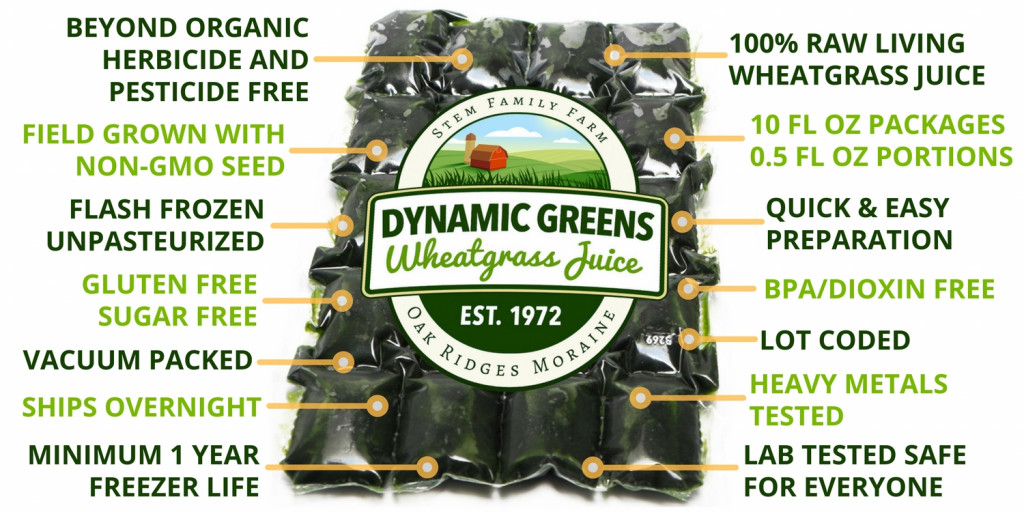
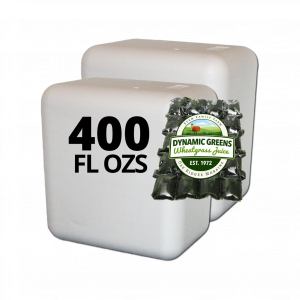
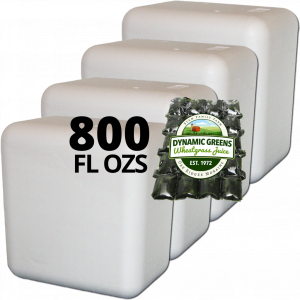
0.5 Fl. Oz. cubes are easy to use for drinks and smoothies. There is absolutely no preparation or clean-up and it can be enjoyed by the whole family.
more

Beyond Organic
We use only non-GMO seed grown at the farm and absolutely zero herbicides and pesticides. Soil humus is maintained through proactive land management.
more

Free From
No chemicals, no detectable molds, tested gluten free and sugar free. Our juice has no biological age due to our production and packaging methods.
more
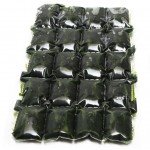
Quality Packaging
Vacuum packed for 100% protection, BPA free, and leach tested at high temps. Results exceed both FDA and European standards.
more
Trusted Source
DynamicGreens is a family business with over 40 years experience growing wheatgrass. We know what we’re doing and welcome questions.